
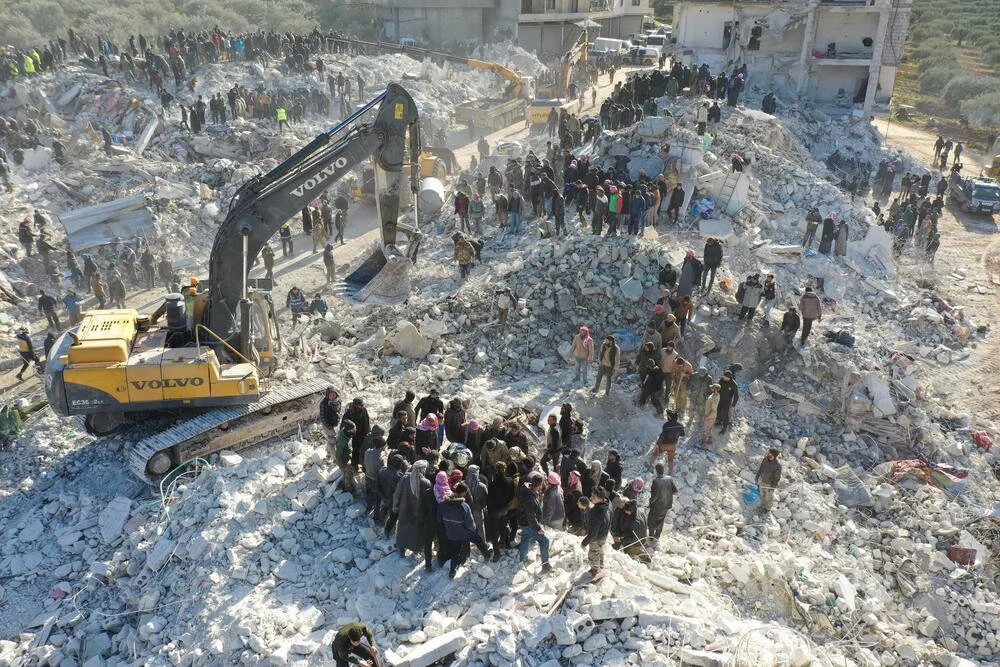
Disaster Response
Emergency Care.
The Disaster Response Regency Care Course is specifically designed for operators and teams who respond to emergencies both internationally and domestically, providing disaster relief, humanitarian aid, and support services.
This flexible training program can be tailored to meet your specific needs, including the duration of the course and the qualifications you wish to achieve.
Developed by experienced professionals with over 30 years of hands-on deployment in disaster zones, the course reflects real-world knowledge and field-tested practices. These instructors have served on international rescue missions and bring invaluable insight to the training experience.
Course Objectives
The curriculum is customized to suit individual participants and specialized teams, focusing on the development of essential skills for working in complex, high-pressure environments. Key training areas include:
Collaboration with clinical professionals
Reach-back capability and prolonged field care
Multinational and multidisciplinary team dynamics
Paediatric emergency care
K9 team and animal care
Support for displaced populations
Participants are able to gain the qualification they require such as;
FREC 3 / FREC 4 (First Response Emergency Care)
Medical/Rescue Certificate and CPD Hours
PHTLS (Prehospital Trauma Life Support)
PHTLS Responder
Additional modules can be added to suit your mission needs, including the internationally recognized NAEMT All Hazards Disaster Response (AHDR) certification. This module equips responders to handle a wide range of disaster scenarios, including:
Natural disasters and infrastructure failures
Radiological events and fires
Pandemics and public health crises
Active shooter and mass casualty incidents
AHDR training also includes guidance on analyzing regional threats, assessing available resources, and developing a response plan designed to save lives.
Core Medical Response Topics Covered
Effective communication during disaster operations
Mutual aid strategies and inter-agency interoperability
Resource management (supplies, medications, equipment)
Triage, patient transport, and evacuation logistics
Patient tracking systems and continuity of care
At the beginning of the course, participants will complete a Hazard Vulnerability Analysis—an in-depth assessment of environmental and infrastructural risks, including special considerations for vulnerable populations such as hospital patients or residents in assisted living.
The course culminates in a realistic mass casualty simulation, giving participants the opportunity to apply their skills in a controlled, high-stress scenario.
Ideal for:
International search and rescue personnel
Repatriation teams
Charity, NGO, and NFP (Not-for-Profit) organisations
With the growing frequency of environmental crises and global deployments, this course empowers participants to respond with confidence and competence—ensuring the best possible outcomes during complex disaster events.
Enquire about course availability
To ensure this course is appropriate, all attendees are pre-qualified before dates are confirmed. Contact our team to discuss suitability and upcoming availability.